A simple sheet can become something extraordinary. Start with a beginner project.

Origami Box
Trays, gift boxes & storage folds
Origami Heart
Hearts, bookmarks & keepsakes
Origami Star
Classic points & layered stars
Turn one sheet of paper into something worth keeping.
Explore friendly origami tutorials, creative collections, and practical folding guidance designed to help beginners start confidently and experienced folders discover fresh ideas.
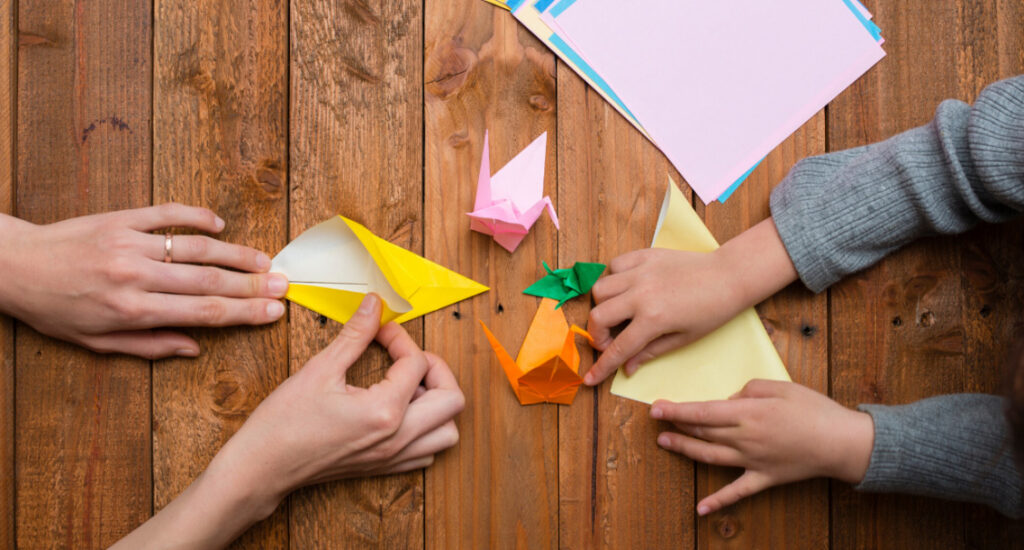
Your first clean, confident fold

Small project.
Big creative reward.
Beginner-friendly
Approachable projects and clear language
Step by step
One fold at a time, without guesswork
Creative variety
Decorative, playful, and useful designs
No special tools
Start with paper you already have
Find the kind of origami you feel like making today.
Some days call for a five-minute fold. Others invite a careful project you can display, gift, or use. Browse by purpose and choose a design that fits your time, paper, and skill level.
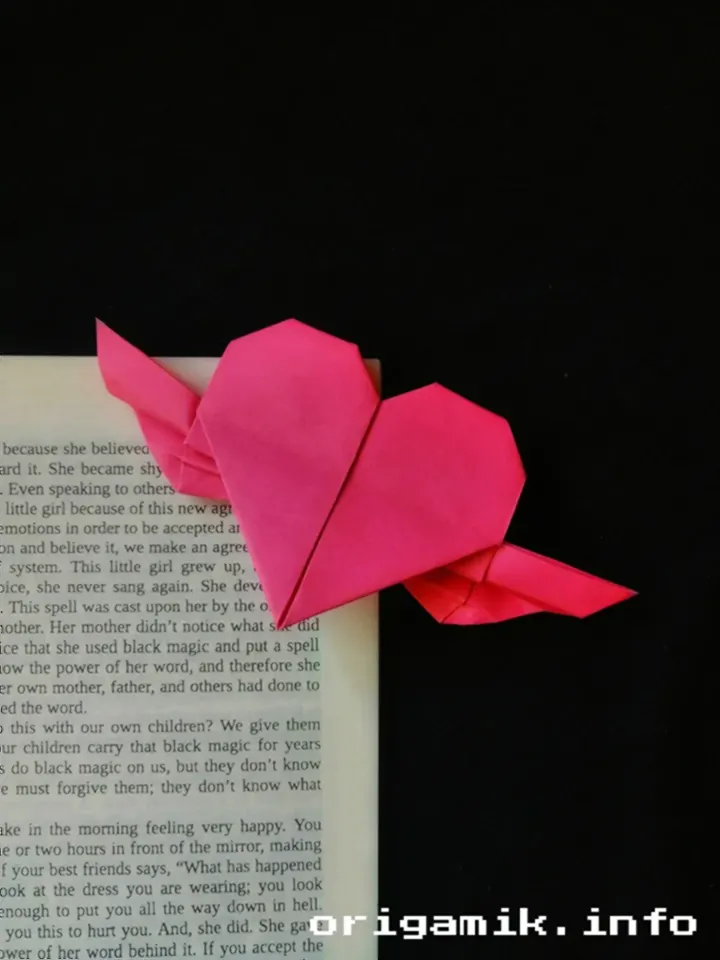
Begin with attention, not perfection.
A clean crease and a patient pause will teach you more than rushing toward the finished shape.
Start your origami journey in four calm, simple steps.
You do not need special equipment or artistic experience. Choose a manageable project, use a square sheet, and check the paper position before every fold. The goal is not instant perfection, it is understanding what each crease does.
Choose a project that matches your time
Look for an easy design with a clear finished example. Hearts, bookmarks, simple animals, and boxes make excellent first projects.
Prepare a square sheet of paper
Origami paper is helpful, but printer paper, notebook paper, sticky notes, or clean recycled paper can work for practice.
Follow the orientation as carefully as the fold
Notice which side faces up, where the open edges sit, and whether the next crease moves toward or away from you.
Refine the model after the main shape appears
Sharpen creases, adjust symmetry, and gently shape wings, petals, pockets, or corners only after the structure is complete.
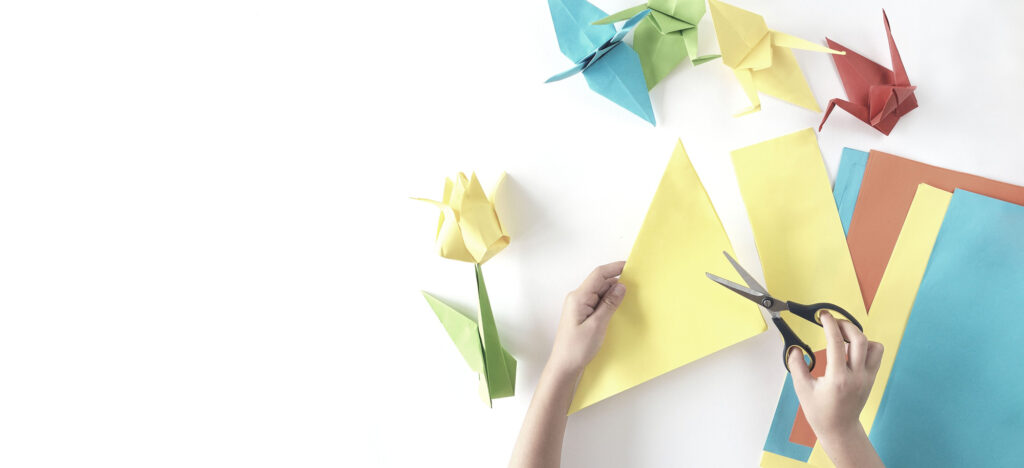
A finished model is only the beginning, the real skill is learning how each fold changes the paper.
Understand the fold, not only the sequence.
Good origami instruction removes uncertainty. Origamiko helps readers see the goal, prepare the right paper, understand the difficulty, and move through each stage with more confidence.
- See the finished model first. Knowing the destination makes every intermediate shape easier to understand.
- Know what you need before beginning. Paper size, material, time, and skill level should never be a surprise.
- Learn how to recover from small mistakes. A slightly uneven crease does not always mean you need to restart.
One good idea can lead to dozens of new folds.
Browse focused collections when you want options instead of a single project. Compare shapes, choose a difficulty, and save the designs that fit your next creative session.
Origami Heart Ideas
From quick paper hearts to winged designs, bookmarks, and small boxes made for thoughtful notes and handmade gifts.
Origami Flowers
Fold blossoms for bouquets, table decor, cards, and lasting paper arrangements.
Origami Boxes
Discover simple containers, gift boxes, trays, and clever folded storage ideas.
Sticky Note Origami
Turn everyday memo squares into bookmarks, tiny flowers, toys, stars, and playful desk decorations.
Origami Star Ideas
Try classic points, layered stars, decorative forms, and folds that work beautifully as gift toppers.
Useful Origami Projects
Make paper objects that organize, hold, mark, decorate, entertain, or add a personal touch to everyday life.
Why paper folding keeps people coming back.
Origami is inexpensive, portable, and endlessly adaptable. It can be a quiet solo activity, a shared family project, a classroom exercise, or a way to make personal decorations and gifts.
A slower creative rhythm
Folding gives your hands a clear task and your mind one small decision at a time. The process can feel pleasantly focused without a large workspace or long setup.
Useful objects from ordinary paper
Boxes, envelopes, bookmarks, holders, decorations, and toys prove that creative paper folding can be practical as well as beautiful.
Personal gifts with visible care
A folded heart, flower, box, or note holder carries the maker attention. Even a simple model feels special when the color and purpose are chosen for someone.
An activity that scales with your skill
Your first model may use only a few folds. Later, the same foundational techniques support modular pieces, layered flowers, complex animals, and display-worthy designs.
Choose the right paper without overthinking it.
The best paper is usually the one that lets you complete the fold comfortably. Practice with inexpensive sheets, then move to thinner, patterned, or specialty paper when the model needs sharper detail.
Excellent for learning basic folds and testing instructions.
Thin, square, easy to crease, and available in many colors.
Useful for mini models, bookmarks, stars, and quick desk projects.
Fresh inspiration for your next paper project.
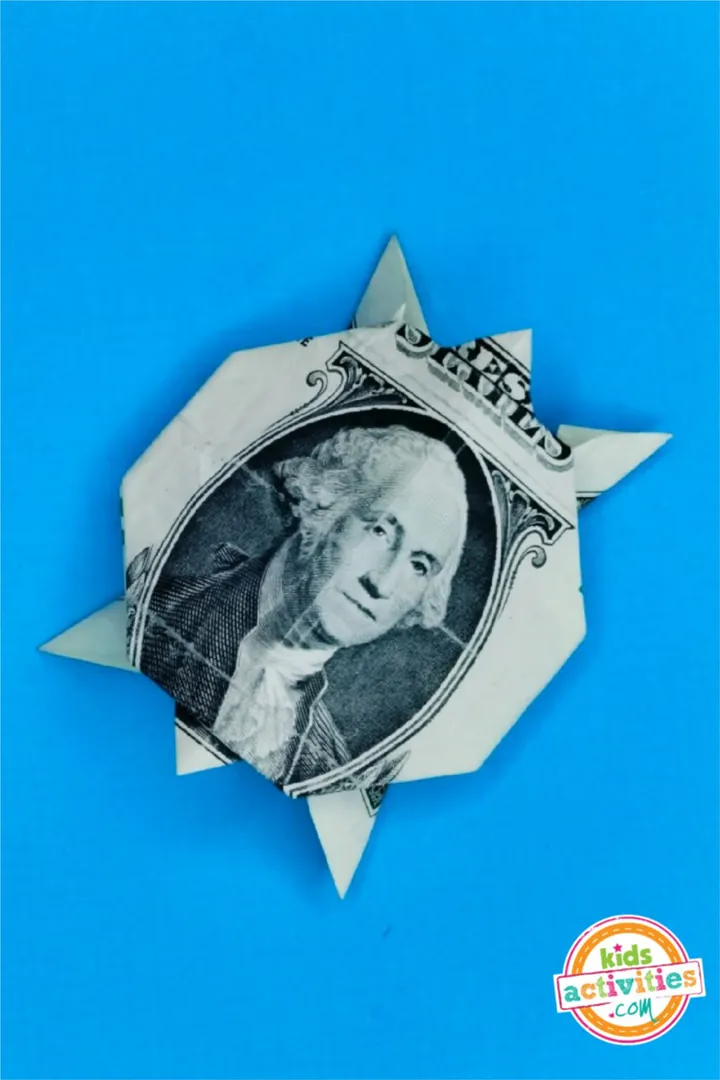
30+ Dollar Bill Origami You Need to Try
Have you ever found yourself with a dollar bill in hand and no idea what to…
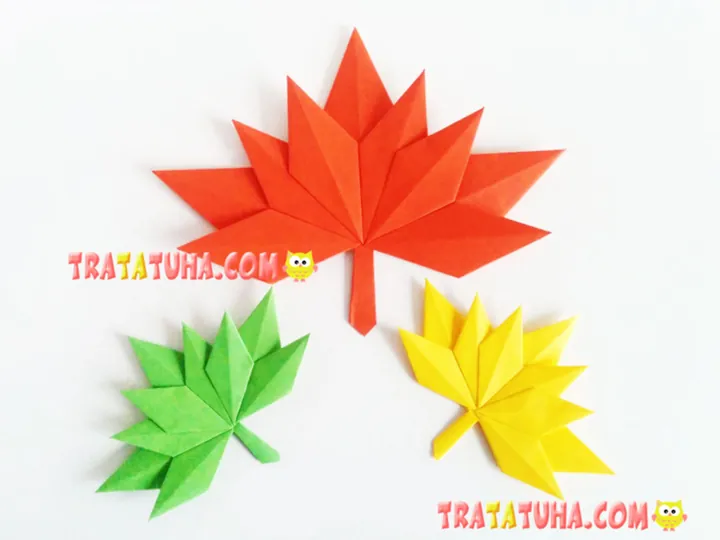
45+ Fall Origami Ideas You Need to Try
Ah, fall! The air gets a little crisp, and the leaves start to turn into all…
17+ Origami Vehicles You Need to Try
Ever since I discovered the delightful world of origami, I’ve been utterly captivated by how a…
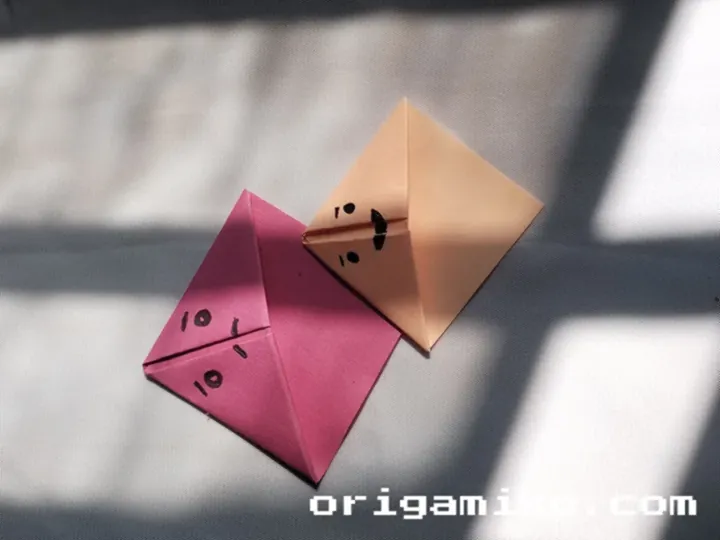
15+ Origami Bookmarks You Need to Try
There’s something magical about the simple act of folding paper into beautiful shapes. I’ll never forget…
A few things new folders often wonder about.
Origami becomes much easier once you know how to choose paper, read directions, and treat imperfect folds as part of learning.
Start with a model that uses a single square sheet and fewer than roughly ten to fifteen main folds. A simple heart, bookmark, fox face, boat, flower, or basic box will teach useful creases without complicated shaping.
No. Standard origami paper is convenient because it is thin, square, and easy to crease, but ordinary printer paper, notebook paper, wrapping paper, and sticky notes can all work for suitable projects.
Traditional single-sheet origami often avoids cutting and adhesive, but modern paper crafts may use either. Check the tutorial before starting so you know whether it is pure folding, modular assembly, or a mixed craft.
Align the edges first, hold the paper in place, and press the crease from the center outward. Use a fingernail or bone folder gently, and avoid repeatedly reopening a crease unless the instructions require it.
Pause before restarting. Compare the paper orientation and open edges with the previous step, then correct the most recent fold. Small differences can often be balanced during final shaping.
Your next idea is one square away.
Choose a tutorial, clear a little space, and give yourself permission to learn through the folds. Origamiko will help you find a project that fits the moment.
