

Mod Podge Sparkle is the better choice when an origami design, printed pattern, or fine lettering must remain visible beneath a light holographic shimmer. Mod Podge Extreme Glitter is better when maximum sparkle matters more than detail, especially over dark paper, painted ornaments, solid shapes, and theatrical props.
Key Facts at a Glance
- Mod Podge Sparkle uses larger holographic flakes at a moderate concentration, so the underlying origami folds and printed details remain easier to see.
- Mod Podge Extreme Glitter contains a denser blend of ultra-fine holographic particles, producing stronger overall coverage and more reflected light.
- Both formulas are water-based glue, sealer, and finish products with a clear gloss result after drying.
- A typical 8 fl oz bottle costs about $7.50-$10 and covers approximately 15-20 square feet in one thin coat.
- A thin coat usually becomes ready for another coat after 15-20 minutes, while full cure can take approximately 28 days.
- Neither glitter formula should be treated as waterproof, dishwasher-safe, or outdoor-safe without a compatible protective system.
What Is the Difference Between Mod Podge Sparkle and Extreme Glitter?
Mod Podge Sparkle creates a visible but comparatively open field of larger holographic flakes, while Mod Podge Extreme Glitter creates a much denser field of fine glitter particles. Both dry clear over a suitable surface, but the glitter remains visually distinct rather than disappearing into the gloss medium.
The difference affects more than brightness. Sparkle allows a crane’s folded geometry, a kusudama ball’s individual units, or an origami pattern to remain the visual subject. Extreme Glitter produces a more continuous glitter surface, which can make a simple paper silhouette look finished but can reduce the readability of tiny folds after several coats.
Plaid describes Mod Podge as a “glue, sealer, and finish,” a useful description of the product category rather than a recommendation to use every formula for every bonding task. Glitter particles add decorative value, but they also make the medium less economical for structural assembly.
Master Comparison: Sparkle or Extreme Glitter?
| Decision factor | Mod Podge Sparkle | Mod Podge Extreme Glitter |
|---|---|---|
| Glitter concentration | Moderate, open spacing | Very high, dense coverage |
| Particle character | Larger holographic flakes in two size ranges | Ultra-fine holographic blend in three particle types |
| Typical visual result | Fairy-dusted, scattered shimmer | Continuous, high-impact bling |
| Detail visibility | High after one thin coat | Moderate after one coat, lower after multiple coats |
| Best base colors | White, cream, pastel, patterned paper | Black, navy, red, purple, jewel-toned paint |
| Surface feel | Slightly textured when flakes sit on top | Usually finer and more even when applied thinly |
| Best project scale | Small folded details and printed designs | Solid shapes, ornaments, props, broad panels |
| Typical coat strategy | One coat, or two for stronger shimmer | One coat for accents, two for dense coverage |
The practical winner depends on the visual job. Mod Podge Sparkle wins when transparency and detail carry the design; Mod Podge Extreme Glitter wins when the finish itself must dominate from across a room.
How Do Glitter Density and Particle Size Change the Result?
Glitter density controls how much of the base surface remains visible, while particle size controls how individual flashes appear at normal viewing distance. Larger flakes create separate points of rainbow reflection; fine particles create a more uniform, saturated sparkle.
On origami, the distinction becomes especially noticeable at creases. Larger flakes can bridge a fold and catch on a soft brush, whereas fine glitter settles into a thinner film but may accumulate in valleys if the applicator deposits too much medium. On a flat greeting card, that difference is less risky because the surface has fewer raised edges.
| Surface or design | Sparkle behavior | Extreme Glitter behavior | Recommended result |
|---|---|---|---|
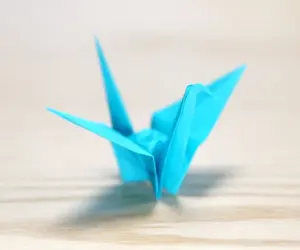
| White origami crane | Preserves fold lines and paper color | Adds stronger shine but can soften small creases | Sparkle |
| Black origami star | Visible individual rainbow flashes | Produces deeper, fuller glitter coverage | Extreme Glitter |
| Printed scrapbook paper | Keeps text and pattern readable | Can veil small type after two coats | Sparkle |
| Painted wooden ornament | Leaves some background visible | Creates a dense holiday finish | Extreme Glitter |
| Canvas accent panel | Gives scattered reflective points | Builds a more continuous glitter field | Extreme Glitter |
| Diamond painting cover | Adds a secondary glimmer | Can visually compete with existing drills | Sparkle |
A counterintuitive rule matters here: finer glitter does not automatically mean a rougher finish. Extreme Glitter can feel smoother than Sparkle because its smaller particles settle closer together, even though the overall visual effect is stronger.
Which Formula Is Better for Origami?
Mod Podge Sparkle is usually better for origami because thin folded paper depends on visible creases, controlled weight, and an even distribution of finish. Mod Podge Extreme Glitter fits origami when the model has broad surfaces, dark paper, or a deliberately theatrical appearance.
Origami is more sensitive than a flat paper project. Moisture can soften paper fibers, and excess medium can add enough weight to distort a crane wing, collapse a narrow petal, or make modular units separate at their joints. Apply the finish after assembly when possible, using a nearly dry brush and one coat first.
Origami project decisions
| Origami project | Paper or finish condition | Better formula | Coat limit |
|---|---|---|---|
| Traditional white crane | White uncoated paper, fine folds | Sparkle | 1 thin coat |
| Modular kusudama | Multiple glued units, pale paper | Sparkle | 1 coat per exposed panel |
| Black lucky star | Dark paper, compact shape | Extreme Glitter | 1-2 thin coats |
| Large paper flower | Broad petals, painted base | Extreme Glitter | 1 coat, 2 on outer petals |
| Metallic holiday star | Foil paper, already reflective | Sparkle | 1 light coat |
| Display-only dragon | Thick cardstock, broad wings | Either, based on density | Test one wing first |
For valuable or complex models, test the product on a folded scrap made from the same paper. A flat swatch cannot predict whether a wet coating will soften a sharp reverse fold.
Which Formula Fits the Base Color?
Dark backgrounds usually make Mod Podge Extreme Glitter appear more saturated because black and deep colors increase contrast with the reflected highlights. Light or patterned backgrounds usually benefit from Mod Podge Sparkle because its open glitter distribution preserves the original color and artwork.
The base color also changes perceived coverage. One coat of Extreme Glitter over black can look fuller than the same coat over white, while Sparkle over pastel paper may appear intentionally subtle rather than incomplete. Judge the result only after the coat becomes clear.
| Base color | Product tendency | Detail risk | Practical use |
|---|---|---|---|
| White | Sparkle remains soft and airy | Low | Origami animals and cranes |
| Pale pink | Sparkle keeps the pastel visible | Low | Paper flowers and cards |
| Black | Extreme Glitter gains contrast | Medium | Stars, silhouettes, ornaments |
| Navy | Extreme Glitter creates deep reflected color | Medium | Winter decorations |
| Red | Extreme Glitter looks dense and festive | Medium-high | Christmas shapes |
| Patterned cardstock | Sparkle protects print visibility | Low-medium | Scrapbook panels and labels |
Extreme Glitter can overpower dark printed details even when the base color looks attractive. If legibility matters, reserve the dense formula for borders, selected panels, or raised accents rather than coating the entire design.
What Do Price, Coverage, and Drying Time Look Like?
A typical 8 fl oz bottle of either formula costs approximately $7.50-$10 in the United States, although retailer, location, stock, and shipping can change the final price. A single thin coat generally covers about 15-20 square feet, but folded paper consumes more medium per square foot because edges and overlapping surfaces require extra brushwork.
Plaid product guidance and retailer listings commonly present the 8 fl oz size as 236 ml. Treat coverage as a planning estimate, not a guaranteed yield, because an absorbent paper model can use substantially more product than sealed wood.
| Measure | Typical figure | What changes it |
|---|---|---|
| Container size | 8 fl oz, 236 ml | Product availability and regional packaging |
| Retail price | $7.50-$10 | Retailer, country, sale price, shipping |
| One-coat coverage | 15-20 sq ft | Surface porosity and application thickness |
| Recoat interval | 15-20 minutes | Humidity, temperature, and coat thickness |
| Handling time for two coats | About 45-75 minutes | Includes application and two drying intervals |
| Full cure | Approximately 28 days | Film thickness, airflow, and environment |
Surface dry is not the same as fully cured. A model can feel dry enough to move after an hour while the acrylic film remains vulnerable to scuffing, pressure marks, and moisture for much longer.
Should Glitter Mod Podge Be the Main Adhesive?
Glitter Mod Podge should usually be a decorative topcoat, not the main adhesive for assembling origami or adhering heavy embellishments. Standard Mod Podge Gloss, Matte, or a purpose-matched paper adhesive is more economical and gives better control before the glitter finish is added.
Using Extreme Glitter beneath a paper layer wastes much of the glitter because the pasted material hides it. The glitter medium may also create a less predictable bond where the particles interrupt direct contact between paper and substrate.
Use this sequence for paper construction:
- Assemble or adhere the origami with a suitable paper adhesive.
- Let the structural adhesive dry fully.
- Apply Sparkle or Extreme Glitter to exposed surfaces.
- Add a clear gloss layer only if you need a smoother sealed feel.
An exception exists for lightweight surface embellishments, such as a small paper star attached to a display-only panel. Even then, test adhesion first, because glitter particles can reduce contact between the embellishment and the base.
How Do You Apply Either Formula to Origami and Crafts?
Apply one thin, quick coat with a soft brush, allow 15-20 minutes for drying, and inspect the result before adding another coat. The most important success factor is controlling moisture, because saturated paper can warp before the glitter medium has time to clear.
Step 1: Prepare the finished surface
Remove dust, loose fibers, and fingerprints. For glass or glazed ceramic, wipe the surface with isopropyl alcohol and let it evaporate completely; for origami, use a clean, dry brush instead of liquid cleaning.
Step 2: Complete the structural assembly
Glue paper units with standard Mod Podge or another paper adhesive. Allow seams to dry before decorating, especially on modular origami where wet handling can loosen several connected units.
Step 3: Stir the glitter medium gently
Use a clean craft stick to lift settled glitter from the bottom. Do not shake the bottle, because air bubbles can remain in the wet film and create cloudy spots.
Step 4: Apply a thin coat
Use a soft synthetic brush or foam applicator. Spread a film thin enough that the paper texture remains visible, and avoid repeated strokes over areas that have begun to tack.
Step 5: Let the surface dry
Wait 15-20 minutes under ordinary indoor conditions before judging the color. The wet medium looks milky, so density decisions made immediately after application are often inaccurate.
Step 6: Add a second coat selectively
Apply a second coat only to areas that need more sparkle. On origami, coat broad outer panels rather than repeatedly brushing narrow creases, tabs, or thin points.
Step 7: Cure before heavy handling
Allow approximately 28 days for maximum film durability. Keep the project away from condensation, stacking pressure, and frequent touching during the early curing period.
| Application variable | Recommended practice | Failure prevented |
|---|---|---|
| Brush | Soft synthetic, 12-25 mm for small crafts | Bristle marks and dragged flakes |
| Coat thickness | Thin, continuous film | Cloudiness and paper warping |
| Brush passes | One or two controlled passes | Clumping during tack-up |
| Recoat wait | 15-20 minutes minimum | Moisture trapped between layers |
| Origami test | Same paper, same fold type | Unexpected distortion |
| Final cure | About 28 days before hard use | Scuffing and tackiness |
How Do You Prevent Cloudiness, Bubbles, and Clumps?
Cloudiness usually results from a thick coat, trapped moisture, or insufficient drying between layers; bubbles usually come from shaking or aggressive brushing; clumps occur when the brush disturbs a film that has started setting. Leave a cloudy coat undisturbed first, because additional brushing usually worsens the appearance.
| Problem | Likely cause | Immediate correction | Prevention |
|---|---|---|---|
| White or cloudy patch | Thick film or high humidity | Stop brushing and let it dry | Use thinner coats and airflow |
| Air bubbles | Bottle shaken or medium whipped | Pop surface bubbles gently while wet | Stir slowly with a stick |
| Glitter streaks | Uneven pressure or repeated passes | Level once, then leave it | Work in short, planned sections |
| Glitter clumps | Brushing over tacky medium | Let the area dry fully | Avoid semi-dry reworking |
| Warped origami | Paper absorbed excess moisture | Press gently only after drying | Use a nearly dry brush |
| Sticky finish | Thick layers or early handling | Extend cure time | Reduce coat thickness |
A practitioner rule of thumb is to stop correcting a patch once the brush begins to drag. The product may look imperfect while wet, but dragging a half-dry film creates a permanent ridge more often than it creates an even surface.
What Are the Main Limitations?
Neither Mod Podge Sparkle nor Mod Podge Extreme Glitter is a reliable waterproof or outdoor finish. Bathroom condensation, repeated washing, rain, and prolonged sunlight require a formula specifically labeled for those conditions, such as Mod Podge Dishwasher Safe for appropriate washable projects or Outdoor Mod Podge for suitable exterior applications.
Neither glitter formula is ideal for food-contact surfaces, flexible fabric that will be repeatedly bent, or objects that need a hard automotive-grade coating. A clear acrylic spray may improve surface protection, but compatibility should be tested because some sprays can soften, wrinkle, or haze a water-based film.
Origami also has a structural limitation: every wet coat adds weight. A hanging model may sag at a narrow tip even when the finish looks attractive, so use fewer coats on suspended pieces than on a flat paper decoration.
Which Alternatives Should You Consider?
Choose standard Mod Podge Gloss when you need adhesion and a clear finish without added glitter, and choose a loose glitter plus a clear medium when you need custom particle size or color. A spray sealer may work for rigid craft surfaces, but it is harder to control on folded paper and can reach areas you did not intend to coat.
| Alternative | Best use | Main advantage | Main limitation |
|---|---|---|---|
| Mod Podge Gloss | Structural paper adhesion and clear sealing | No glitter obscures details | No built-in sparkle |
| Mod Podge Matte | Low-reflection paper finishing | Reduces surface glare | Changes the glossy look |
| Loose glitter plus gloss medium | Custom glitter colors and sizes | Maximum design control | More mess and uneven distribution |
| Clear acrylic spray | Rigid, fully dry decorations | Fast broad coverage | Overspray and paper sensitivity |
| Outdoor Mod Podge | Suitable exterior crafts | Better outdoor-oriented protection | Not a substitute for structural waterproofing |
| Dishwasher Safe Mod Podge | Appropriate washable items | Designed for washing conditions | Requires its own curing procedure |
For delicate origami, Sparkle is usually the least disruptive decorative option. For a black cardstock silhouette that must read as glitter from several feet away, Extreme Glitter is more efficient than trying to build density with scattered loose flakes.
Which Should You Choose?
Choose Sparkle for detailed origami
Select Mod Podge Sparkle for cranes, flowers, animals, printed paper, diamond painting, and modular models with visible seams. One thin coat normally adds a reflective accent without concealing the construction that makes the piece recognizable.
Choose Extreme Glitter for maximum impact
Select Mod Podge Extreme Glitter for dark paper, solid-color ornaments, holiday decorations, cosplay props, and broad silhouettes. The dense fine-particle blend creates a fuller effect with fewer separate flakes, but small lettering and delicate folds may lose contrast.
Choose standard Gloss for assembly
Choose standard Mod Podge Gloss when you are still building the project or attaching paper components. Add the glitter formula after the adhesive has dried, particularly when the project contains tabs, layered units, or narrow folded joints.
Choose a specialty formula for exposure
Choose Dishwasher Safe or Outdoor Mod Podge when washing or weather exposure is part of the intended use. Glitter Sparkle and Extreme Glitter are decorative interior finishes, not general-purpose waterproof coatings.
| User situation | Recommended choice | Application plan | Reason |
|---|---|---|---|
| Detailed origami crane | Sparkle | One thin coat | Preserves fold readability |
| Black paper star | Extreme Glitter | One or two coats | Uses contrast for dense shimmer |
| Patterned scrapbook page | Sparkle | One coat over sealed paper | Protects print visibility |
| Outdoor ornament | Outdoor formula | Follow product label | Glitter formulas lack outdoor rating |
| Paper assembly | Standard Gloss | Glue first, glitter later | Improves structural contact |
| High-impact cosplay prop | Extreme Glitter | Test two thin coats | Produces a stronger distant effect |
FAQ
Can Mod Podge Sparkle hide origami folds?
Mod Podge Sparkle usually preserves origami folds when applied in one thin coat, but heavy brushing can collect medium in valleys and soften sharp creases. Test the same paper first, then apply the finish after assembly and avoid adding a second coat to narrow tabs or delicate points.
Does Extreme Glitter dry smooth?
Mod Podge Extreme Glitter can dry relatively smooth because its fine particles settle closely together, although the result depends on coat thickness and the substrate. A thick application may still feel textured, and a final clear gloss coat can create a smoother hand feel after the glitter layer has cured.
Can you mix Sparkle and Extreme Glitter?
You can test a small blended quantity of Mod Podge Sparkle and Extreme Glitter, but mixing changes particle distribution and makes the final density harder to predict. A more controllable method is layering one formula over the other on a sample, allowing the first coat to dry before evaluating the second.
How do you remove glitter Mod Podge from paper?
Removing glitter Mod Podge from paper is difficult because the dried acrylic film bonds to and may tear the paper fibers. On rigid glass, carefully soaking and scraping may help; on origami, replacement of the affected panel is usually safer than aggressive solvent or water treatment.
Is Mod Podge Extreme Glitter safe for children’s crafts?
Mod Podge Extreme Glitter can be used for supervised children’s crafts when the product label, ventilation guidance, and age recommendations are followed. Adults should handle cleanup, prevent children from putting coated objects in their mouths, and allow the finished project to dry fully before handling.
Can you put clear Mod Podge over Extreme Glitter?
Clear Mod Podge Gloss can be applied over Extreme Glitter after the glitter layer has dried, creating a more uniform sealed feel. The extra coat may slightly reduce the loose sparkle and can obscure details, so apply it only when surface smoothness matters more than maximum reflectivity.
The Bottom Line
The best answer to mod podge sparkle vs extreme glitter is based on visual priority. Choose Mod Podge Sparkle for detailed origami, patterned paper, and projects where the base design must remain legible. Choose Mod Podge Extreme Glitter for dark backgrounds, solid shapes, ornaments, and theatrical crafts that need dense, high-impact shimmer.
Use either formula as a thin decorative topcoat, not as the primary structural adhesive. Allow 15-20 minutes between coats, expect approximately 28 days for full cure, and test folded paper before coating the finished origami model.
